Non-Woven Bags
What non-woven fabric actually is
Non-woven polypropylene is not woven on a loom. Fibres are extruded and bonded together by heat and pressure in a continuous spunbond process, which is why the fabric is inexpensive, light, dimensionally stable and does not fray when cut. It is water-resistant rather than waterproof, takes screen-printed ink cleanly, and folds completely flat for freight — the combination that made it the default reusable carrier in retail worldwide.
Common use cases
Retail & grocery
Reusable carriers for supermarkets, convenience chains and department stores. Handles repeat loads, brand printing and efficient flat-packing.
Events & promotion
Branded giveaway bags for trade shows, conferences and product launches. Lowest cost per impression at high volume.
Retail packaging
Laminated bags with full-colour print used in place of paper carriers where water resistance and reuse matter.
Specialist carriers
Wine bags, shoe bags, cooler bags and drawstring backpacks built around a specific object rather than general shopping.
Selecting fabric weight
Fabric weight, measured in grams per square metre, is the single largest lever on both durability and unit cost. Specify it deliberately rather than accepting a default.
The GSM guide works through this in detail, including how fabric weight changes print appearance and carton weight.
Construction and handle options
Printing and finishing
Print method determines colour capability, setup cost and where your realistic minimum order sits.
Method selection, artwork requirements and how each option affects tooling cost are covered in the bag printing guide.
What to include in your enquiry
The more of this you can give us, the faster the quotation and the fewer rounds it takes to get right.
How orders are produced and checked
Non-woven production runs in an SGS-verified facility in Wenzhou. Incoming fabric is checked for weight and tensile strength before the line starts; dimensional, print registration, seam and handle pull checks run at defined intervals during production; and a pre-shipment inspection follows ISO 2859-1 AQL sampling before the shipment is released.
The five-stage order process
Enquiry, quote, artwork approval, production, inspection and shipping.
Quality & compliance
Every checkpoint, the method used and the AQL settings.
Custom & OEM service
What can be customised, and how far.
Request a quote
Four questions to get a specification-based price.
Frequently asked questions
What is the minimum order quantity?
It depends on the construction and print method rather than a single site-wide number. An ultrasonic-welded unprinted bag and a full-colour laminated bag have very different economics. Your minimum, and the quantity breaks where unit price steps down, are stated in your quotation.
How long does production take?
Lead time is driven by quantity, print method, the number of sampling rounds and the season. We state the production lead time in the quotation and confirm it again on the order confirmation, measured from artwork and specification approval.
Can I order a sample before committing?
Yes. A stock sample in the fabric weight you are considering shows hand-feel and stiffness; a printed pre-production sample shows the full specification made on the production line. Sampling cost is quoted per project.
Are non-woven bags recyclable?
Polypropylene is a recyclable polymer with resin code 5, but kerbside acceptance varies by municipality. We would not advise printing a blanket recycling claim without checking the rules in your target market.
Can you match a specific Pantone colour?
We match to a Pantone reference and advise where the fabric will shift it. Non-woven is matte and slightly absorbent, so a shade reads a little duller and warmer than on coated paper. Where the colour is brand-critical we make a physical proof on your fabric first.
Do you supply other materials as well?
Yes — cotton canvas, paper and poly mailers are produced through partner factories under the same specification and inspection discipline.
Further reading
How non-woven bags are made — from PP pellet to packed carton, including every QC gate.
Laminated vs unlaminated non-woven bags — what BOPP film adds, what it costs, and when to leave it off.
Ultrasonic welding vs stitching — which seam fails first, and how to specify the joining method.
Bag size and gusset — how to write width, height and gusset so the bag fits the product.
Tell us the use case, the quantity range and where it ships. We will come back with a build sheet and a specification-based quotation.
Showing 1–16 of 81 results
-

Aluminium-Foil Lined BBQ Non-Woven Insulated Cooler Bag OEM
-
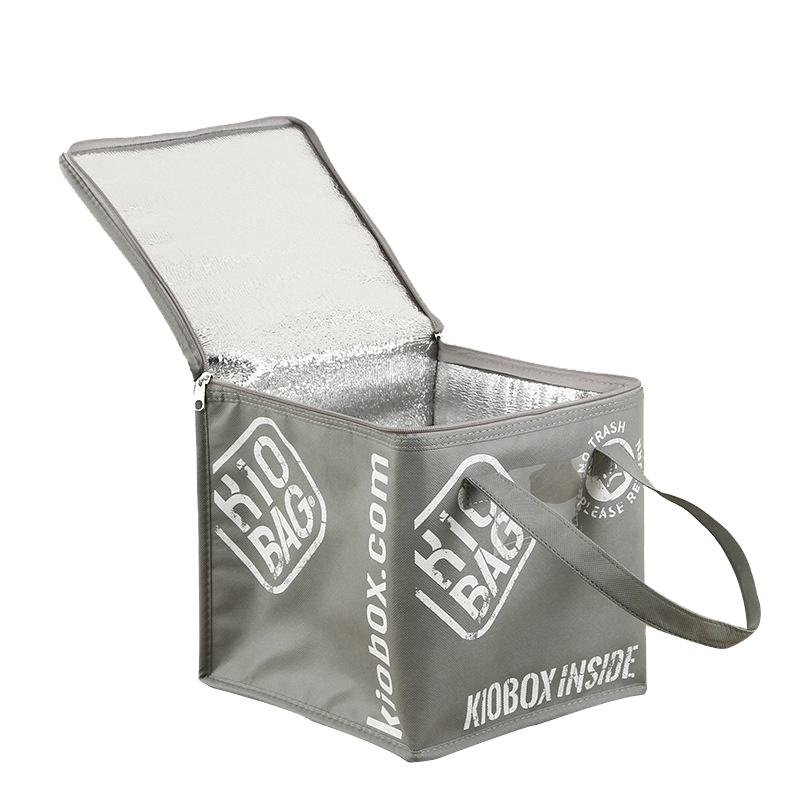
Aluminium-Foil Lined Lunch Non-Woven Insulated Cooler Bag OEM
-

Aluminium-Foil Lined Lunch Non-Woven Insulated Cooler Bag OEM (#2)
-

Aluminium-Foil Lined Lunch Non-Woven Insulated Cooler Bag OEM (2-Colour)
-

Aluminium-Foil Lined Portable Non-Woven Insulated Cooler Bag OEM
-
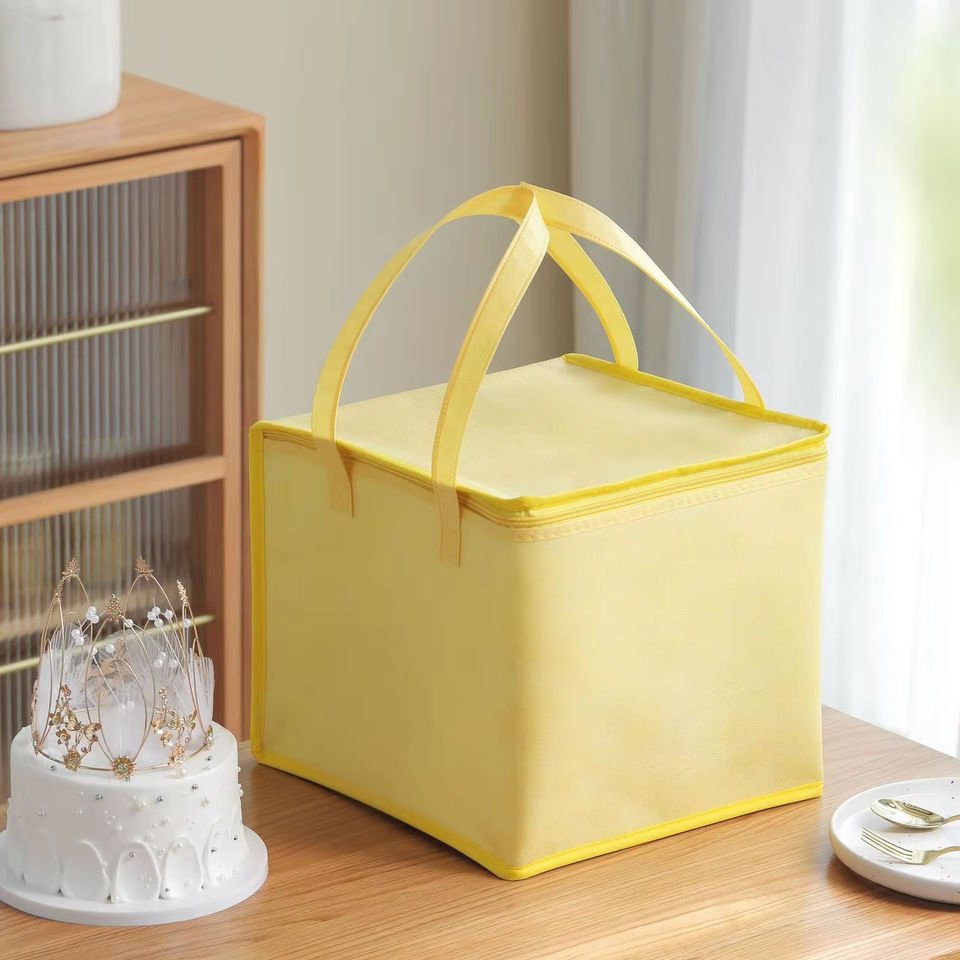
Aluminium-Foil Lined Zippered Non-Woven Insulated Cooler Bag OEM
-

Baby Shower Non-Woven Shopping Tote Bag – Custom-Print Reusable OEM
-
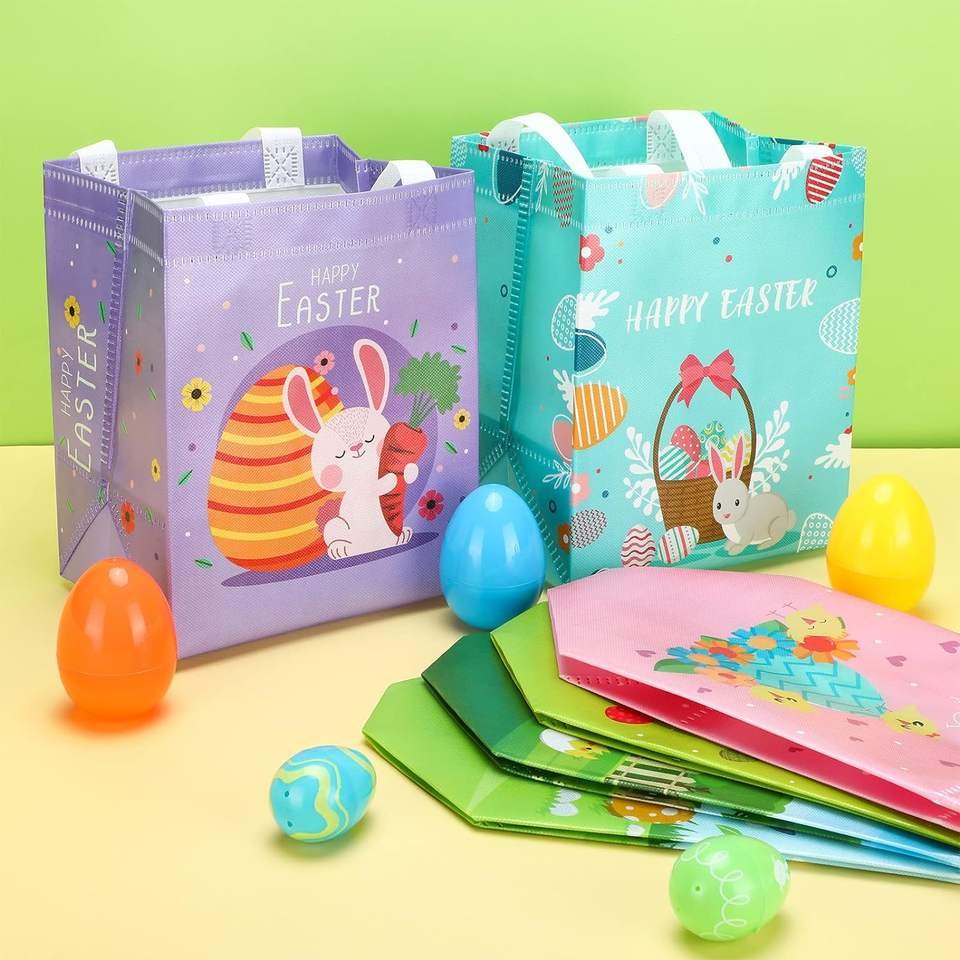
Cartoon Print Non-Woven Gift Bag – Custom-Print Reusable OEM
-

Christmas Non-Woven Gift Bag – Custom-Print Reusable OEM
-

Custom Laminated Non-Woven Shopping Bag
-
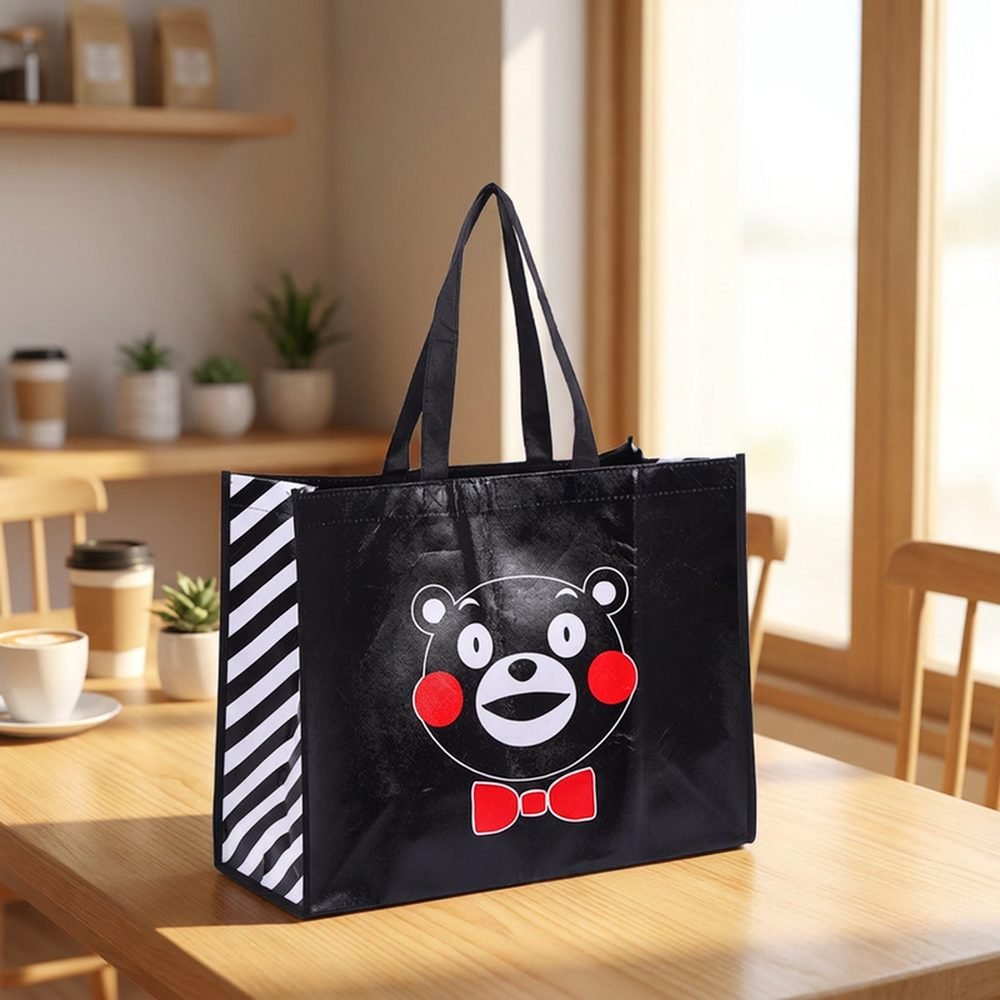
Custom Non-Woven Box Bag with Reinforced Handles – Wholesale OEM
-
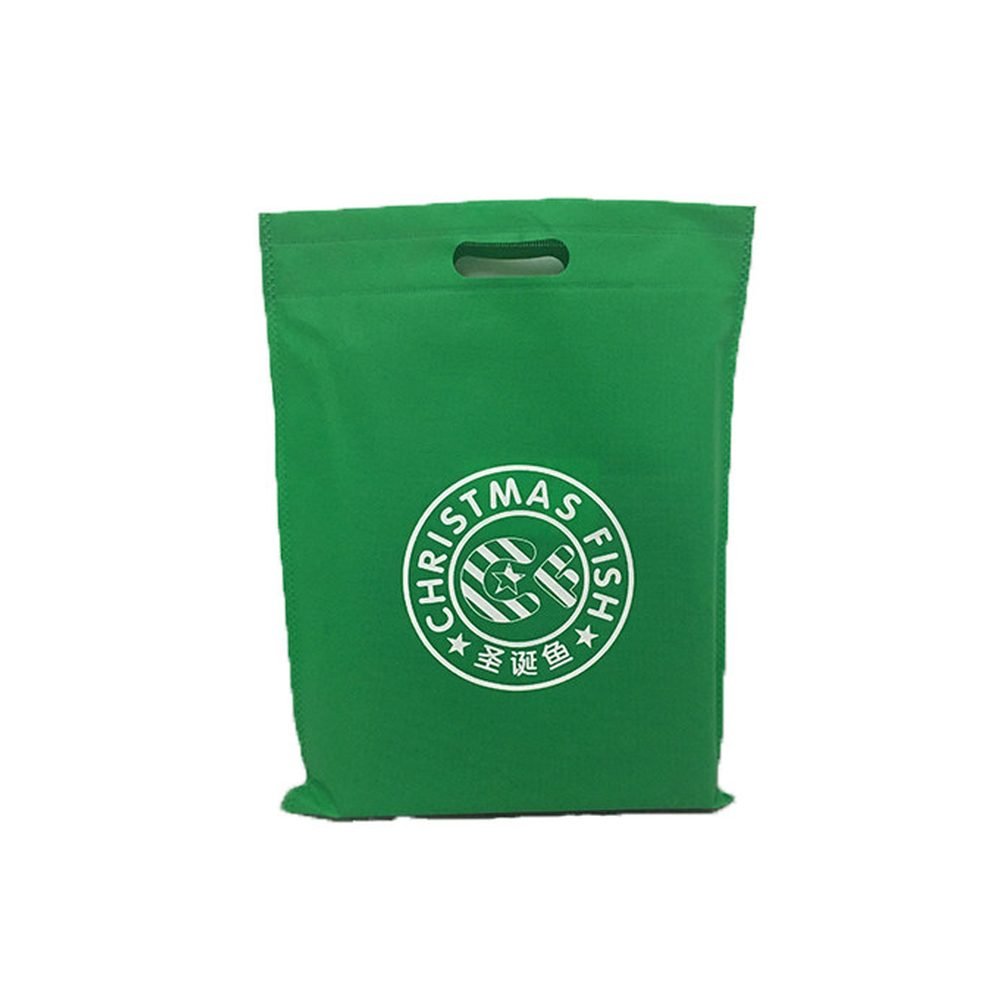
Custom Non-Woven D-Cut Bag – Eco Die-Cut Handle Shopping Bag (Wholesale)
-

Eco Non-Woven T-Shirt Vest Bag – Custom Grocery Carry Bag Wholesale
-
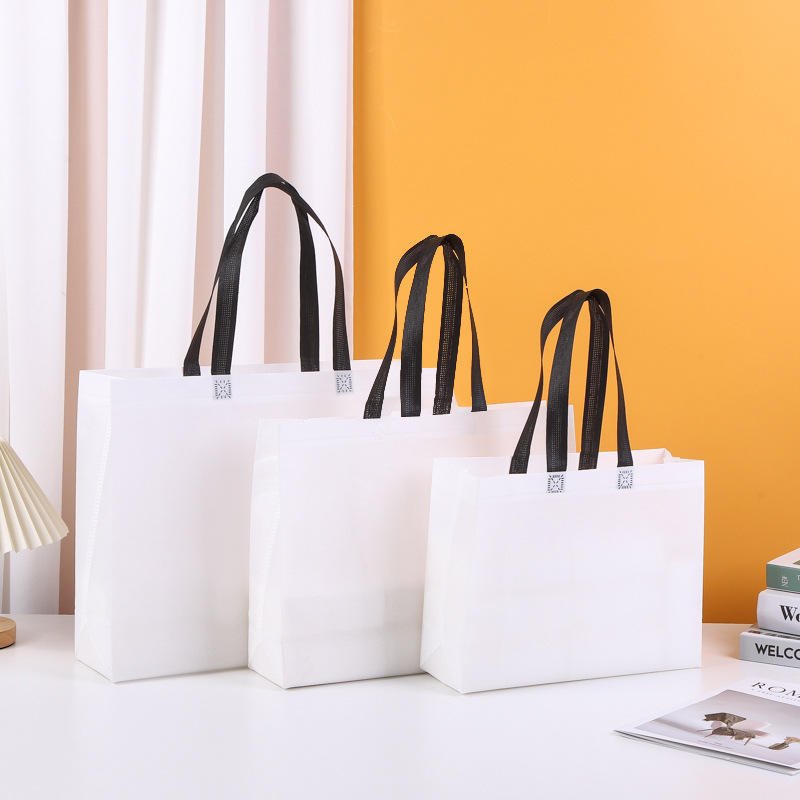
Foldable Non-Woven Laminated Tote Bag – Custom-Print Reusable OEM
-
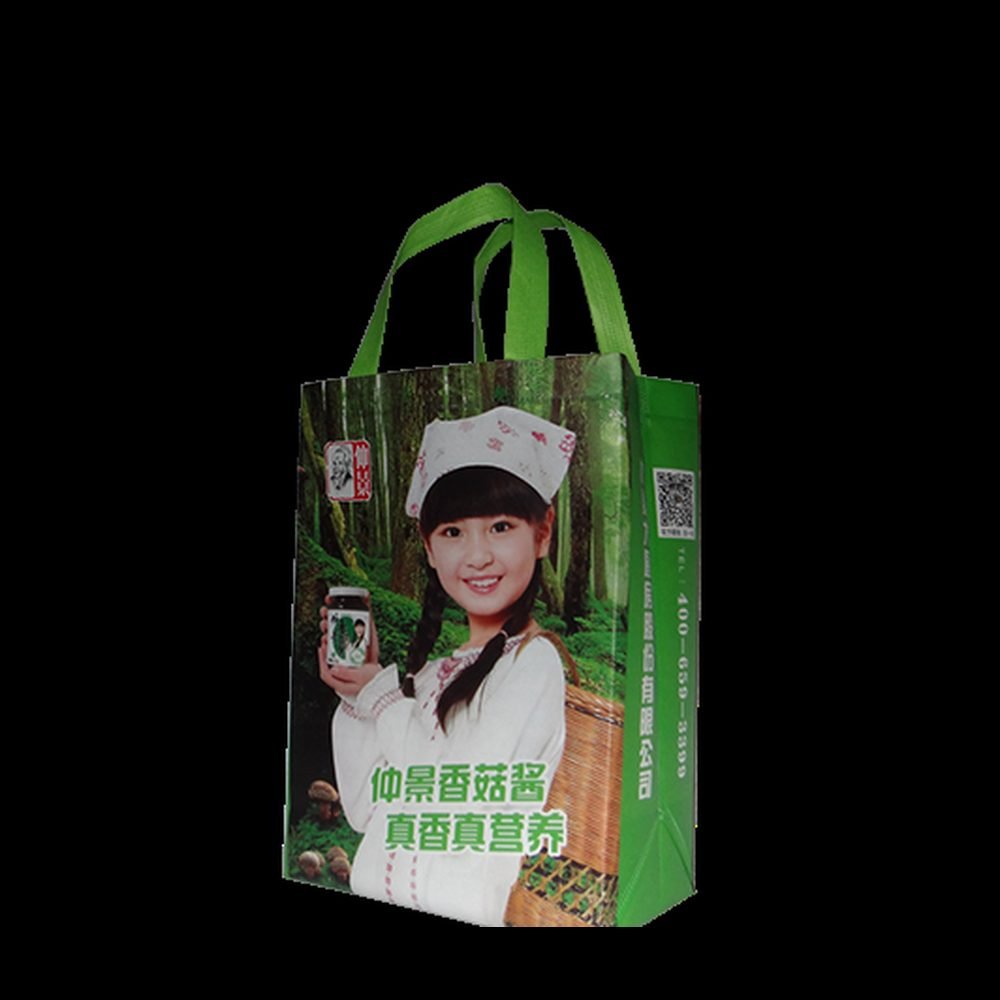
Full-Color Laminated Non-Woven Bag – Custom Photo-Print Promotional Tote
-
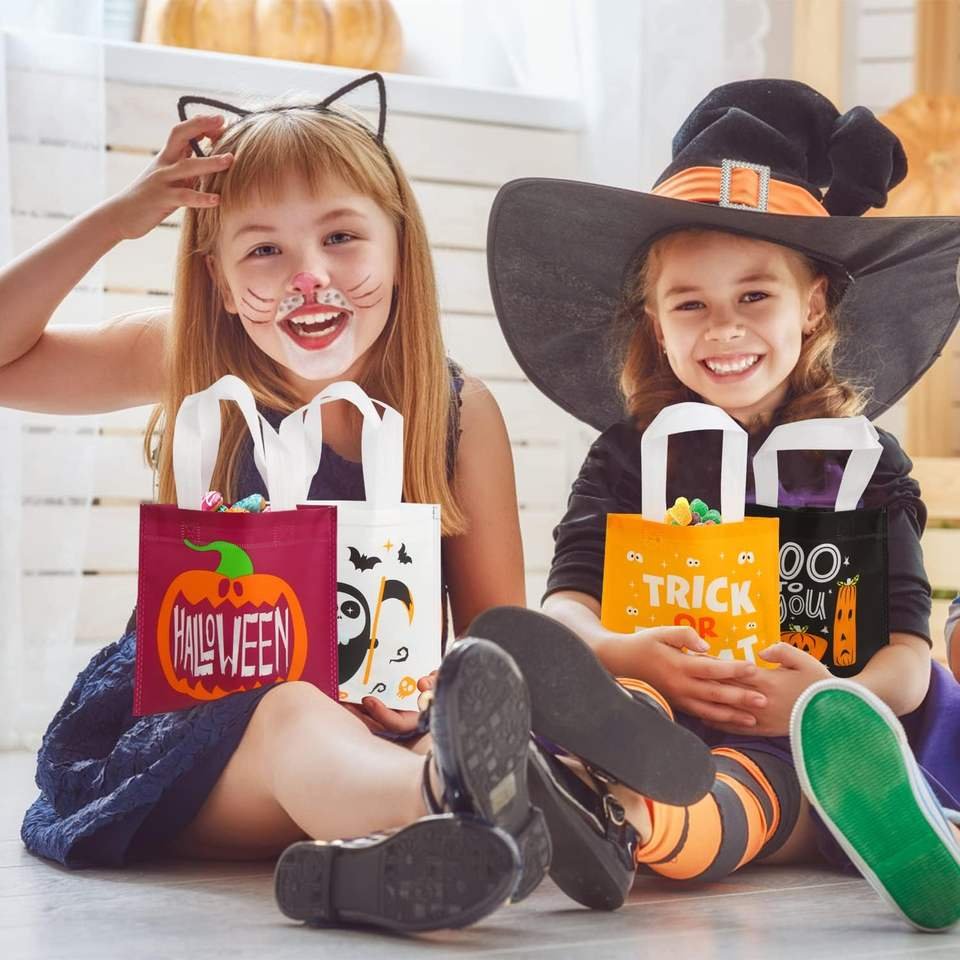
Halloween Cartoon Print Non-Woven Gift Bag – Custom-Print Reusable OEM
Custom Non-Woven Bags for Wholesale and OEM Programs
Non-woven polypropylene bags cover a wide range of reusable retail, grocery, exhibition and promotional applications. Buyers should begin with the intended use and load, then define the finished size, fabric GSM, construction, handle style, printing, quantity, packing and delivery market. Comparing quotations without these details can hide important differences in strength and finish.
Choose the Right Construction
D-cut bags offer economical high-volume branding, tote and shopping bags support repeated carrying, box bags provide greater capacity, and cooler or wine bags require application-specific components. Laminated material supports detailed full-colour graphics, while unlaminated fabric is lighter and often more economical.
Buyer Checklist
- Finished width, height and gusset
- Fabric weight, colour and lamination
- Handle dimensions and reinforcement
- Artwork colours and print coverage
- Load requirement, quantity and deadline
Explore non-woven shopping bags, box bags and the GSM guide, or request a quote.
Frequently Asked Questions
- What specifications are needed for a custom non-woven bag quote?
- Provide intended use, finished dimensions, gussets, fabric GSM and colour, handles, construction, artwork, quantity, packing, destination and deadline.
- Which printing methods can be used on non-woven bags?
- Simple spot-colour artwork commonly uses screen printing, while laminated film supports detailed or full-coverage graphics.
- How should non-woven bag strength be approved?
- Test a production-equivalent sample with the intended contents because fabric GSM, seams, handles and reinforcement work together.