Non-Woven Box Bags
Non-Woven Box Bags
Structured box-style non-woven bags with a flat base and defined sides for gifts, retail and takeaway. The rigid shape shows off branding beautifully and stands upright when loaded. Custom dimensions, lamination and full-colour print, direct from our Wenzhou workshops.
Further reading
Bag size and gusset — how to write width, height and gusset so the bag fits the product.
Laminated vs unlaminated non-woven bags — what BOPP film adds, what it costs, and when to leave it off.
Showing all 7 results
-
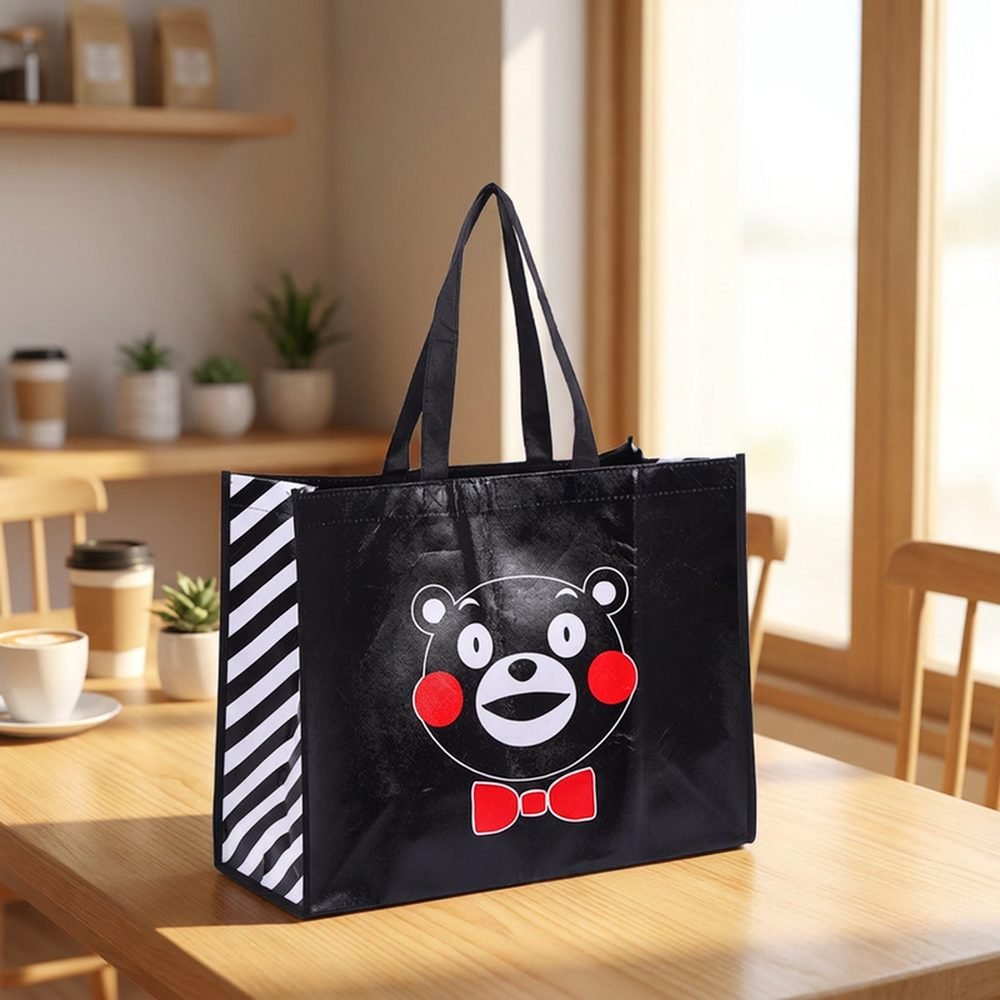
Custom Non-Woven Box Bag with Reinforced Handles – Wholesale OEM
-
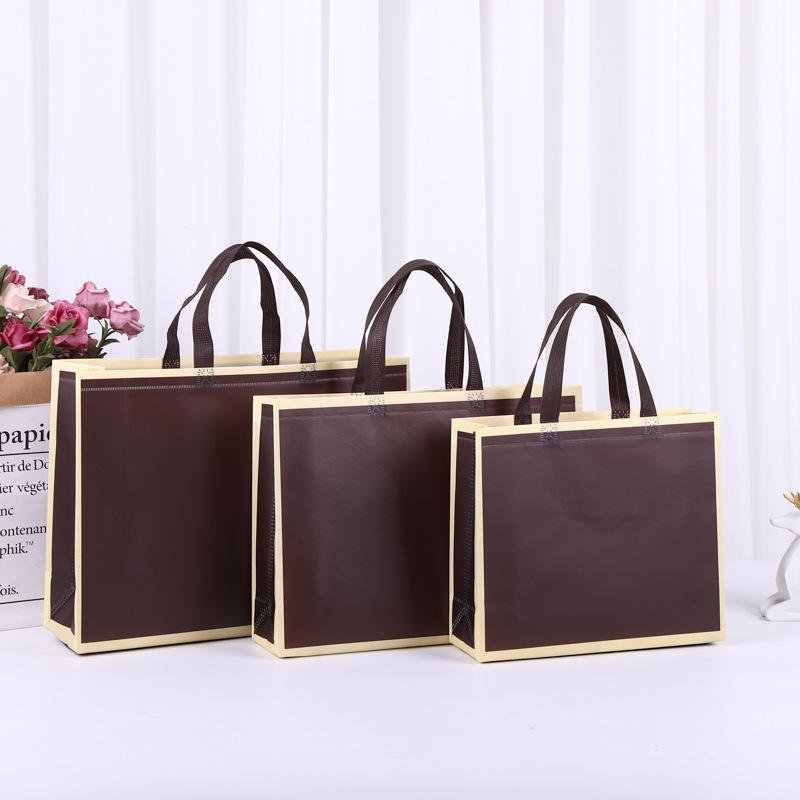
Non-Woven Box Bag with Reinforced Handles – Custom-Print Reusable Shopping Tote (OEM)
-
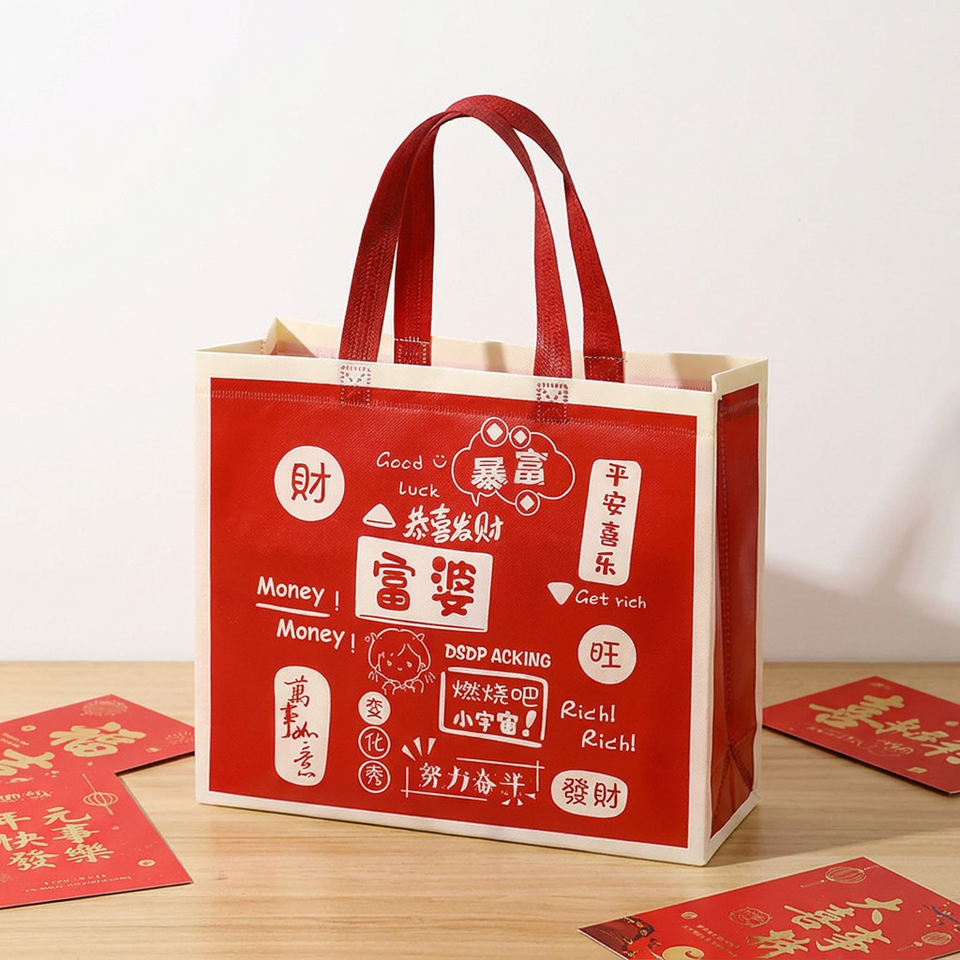
Non-Woven Box-Style Tote Bag – Custom-Print Reusable OEM
-
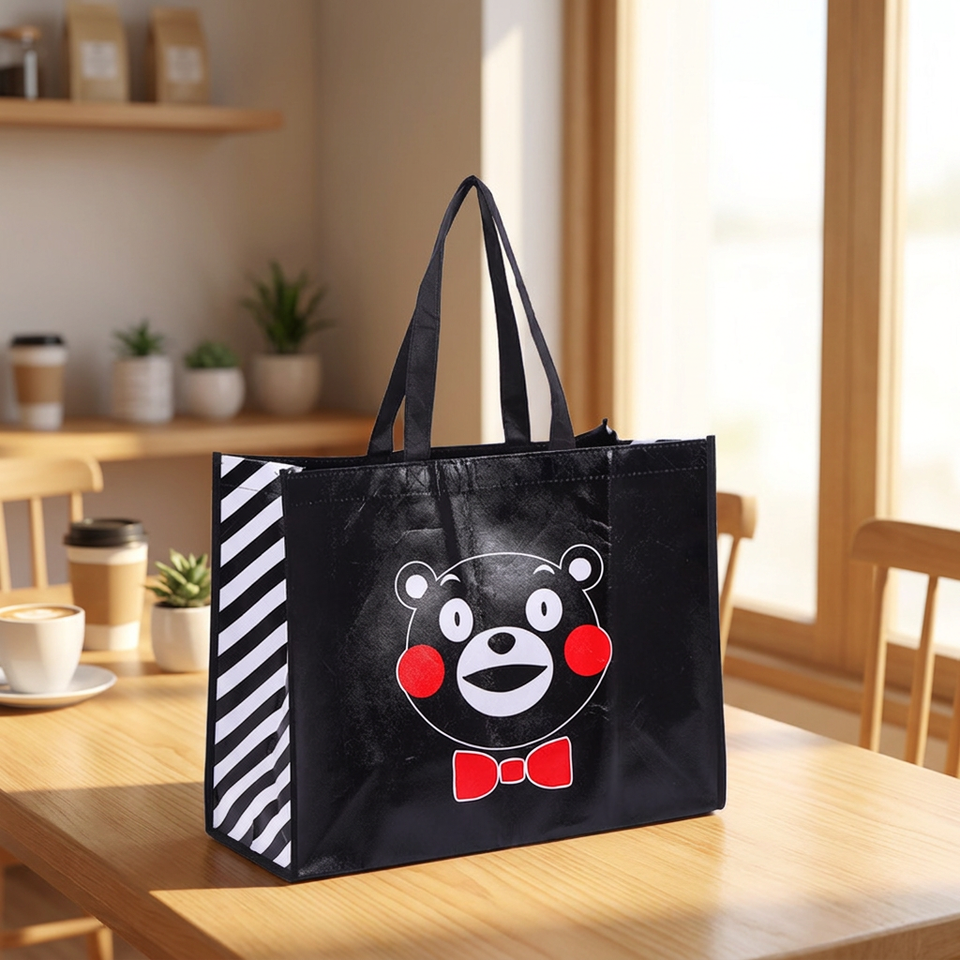
Non-Woven Box-Style Tote Bag (15-Colour) – Custom-Print Reusable OEM
-
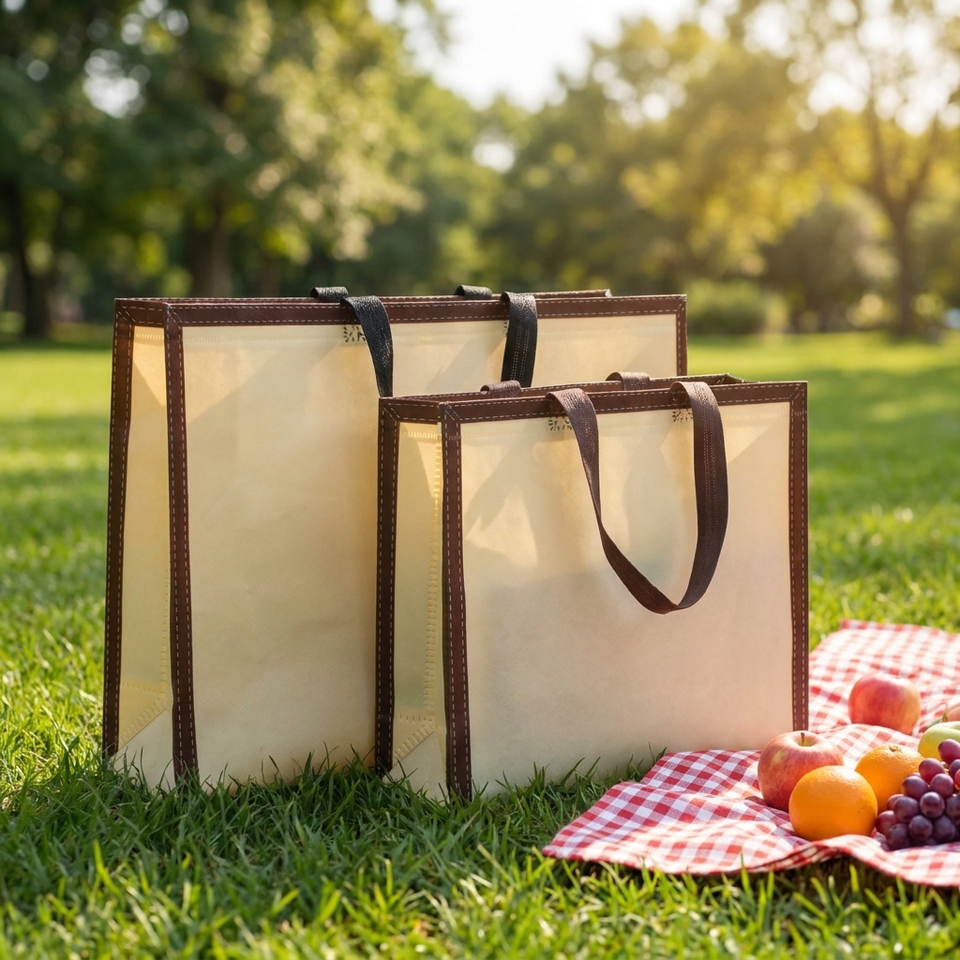
Non-Woven Box-Style Tote Bag (17-Colour) – Custom-Print Reusable OEM
-
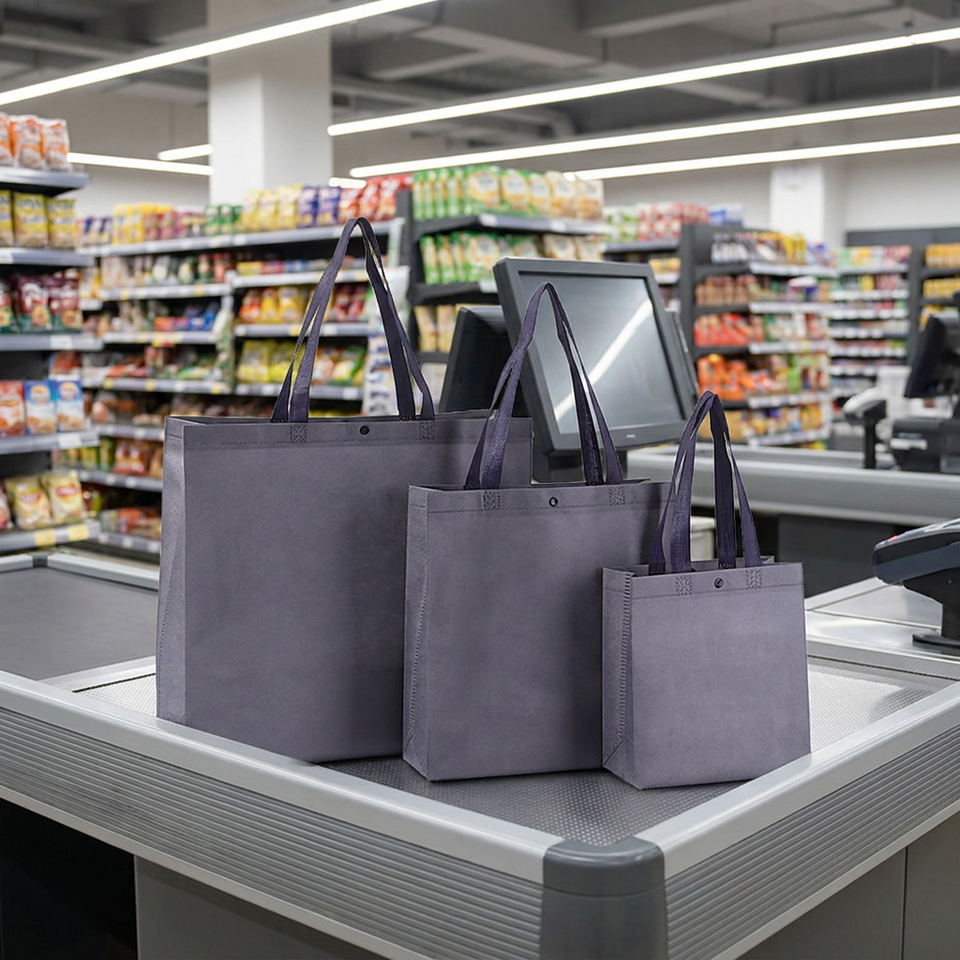
Non-Woven Box-Style Tote Bag (6-Colour) – Custom-Print Reusable OEM
-

Reusable Non-Woven Stereo Box Bag – Bulk Custom Shopping Tote
How to Specify Custom Non-Woven Box Bags
Non-woven box bags use side and base gussets to create a wide, stable carrying space for groceries, retail goods, exhibitions and reusable packaging programmes. A useful specification should state the finished width, height and gusset depth, fabric GSM, lamination, handle construction, reinforcement, print coverage and intended load.
Structure, Handles and Load Capacity
The box shape increases usable volume, but performance depends on the complete construction. Reinforced handles, stitched seams and a base board may be appropriate for heavy or angular products. Laminated material adds stiffness, moisture resistance and full-colour print options, while unlaminated fabric provides a softer and economical finish.
Checks Before Production
- Pack and carry the actual products in a sample
- Confirm gusset opening and base stability
- Load-test handles, seams and reinforcement
- Approve print alignment across gussets
Compare the reinforced non-woven box bag and eco non-woven box bag, or send a specification for quotation.
Frequently Asked Questions
- Does fabric GSM determine bag strength?
- GSM matters, but handles, seams, reinforcement, gussets and the complete loaded construction must be evaluated together.
- Which details make quotations comparable?
- Use one brief covering finished dimensions, GSM, colour, construction, handles or closure, artwork, load, quantity and packing.
- Why is a production-equivalent sample important?
- It establishes the approved material, dimensions, colour, artwork and loaded performance before bulk production.